How Weather Conditions Affect Concrete Delivery and Placement
For those seeking concrete delivery, local contractors can help manage weather-related challenges to ensure proper placement and quality.
Understanding how weather conditions affect concrete delivery and placement is essential for property owners planning construction or renovation projects. Weather can influence everything from the timing of delivery to the quality of the finished surface, making it important to work with experienced service providers who understand these factors. Local contractors familiar with the area's climate can help ensure that concrete is delivered and placed under optimal conditions, reducing the risk of issues such as cracking or setting delays. Exploring this topic can provide practical insights into how weather impacts project outcomes and highlight the value of partnering with professionals who are equipped to adapt to changing conditions.
For property owners in the area, considering how weather conditions affect concrete delivery and placement is a smart step toward a successful project. Local service providers can adjust scheduling, use specialized techniques, or incorporate weather-appropriate materials to help mitigate potential challenges. By understanding these factors, property owners can make informed decisions and better prepare for the unpredictable elements that may influence their project. Keep reading to learn more about how weather impacts concrete work and how local experts can support smooth, reliable results.
- Concrete Delivery services are essential when weather conditions threaten to delay or compromise the quality of concrete placement, prompting local contractors to adjust schedules or methods. Weather-sensitive conditions like rain or extreme heat require experienced service providers to modify delivery times and use specialized techniques to ensure proper curing. When cold temperatures or freezing conditions are present, local pros can implement measures such as heated mixers or additives to prevent early setting issues. In windy or stormy weather, experienced contractors may choose to reinforce safety and stability during transport and placement. Proper handling of weather-related challenges is crucial, and local service providers are equipped to adapt to ensure successful concrete delivery and placement.
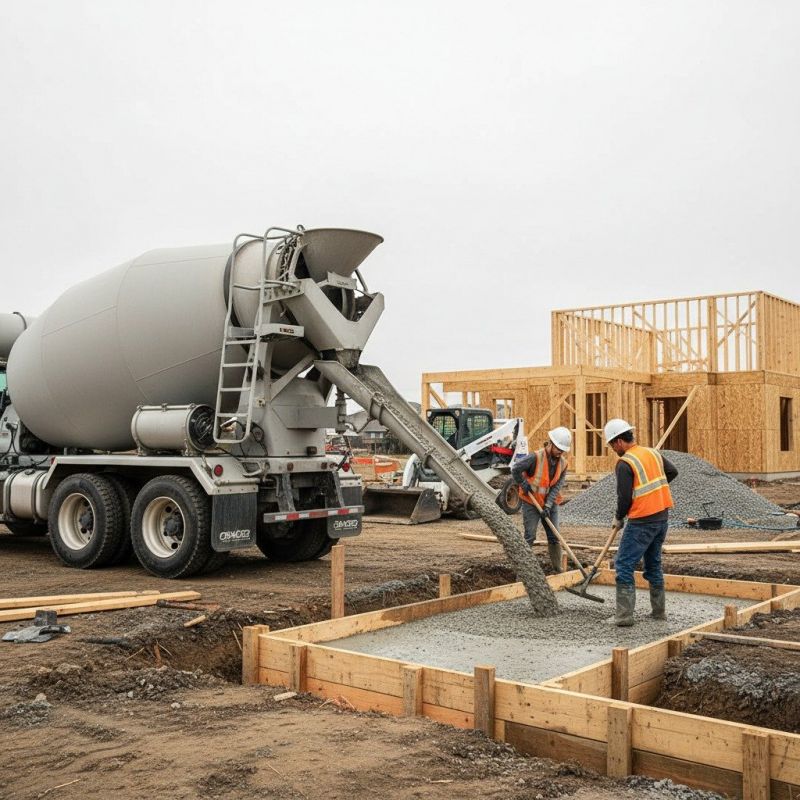

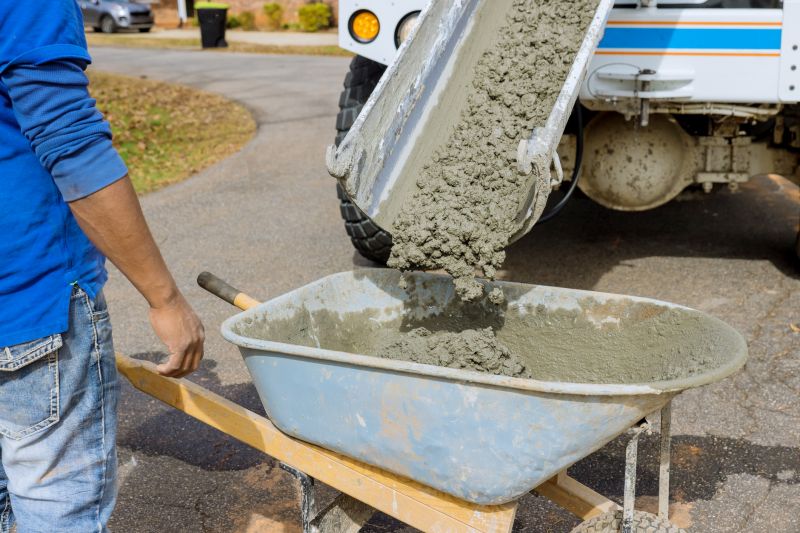
When people search for how weather conditions affect concrete delivery and placement, they are often trying to understand how different elements like temperature, humidity, wind, and rain can influence a construction or home improvement project. This topic is especially relevant for projects such as driveways, patios, foundations, or any concrete-based structure where timing and conditions are critical. Homeowners and contractors alike want to ensure that concrete is poured and set properly to avoid issues like cracking, uneven surfaces, or weak spots. Knowing how weather impacts the process helps in planning and coordinating with local contractors who specialize in concrete delivery and placement, ensuring the job proceeds smoothly and achieves the desired results.
This topic relates closely to common problems encountered during concrete work, such as delays caused by unexpected weather changes or the need to adjust pouring schedules. For example, extreme heat can cause concrete to set too quickly, leading to cracks and reduced strength, while cold weather may slow down the curing process or cause freezing, which can damage the material. Rain and high humidity can interfere with the finishing process, creating a rough surface or compromising the integrity of the cure. Many plans for new concrete installations or repairs must account for weather forecasts and potential disruptions, making it essential to work with experienced local service providers who understand how to adapt to changing conditions.
Properties that often come up in discussions about weather and concrete include temperature ranges, moisture levels, wind speeds, and forecasted precipitation. These factors influence the type of concrete mix used, the timing of delivery, and the techniques employed during placement. For instance, in hot weather, contractors might use special admixtures or shading techniques to slow the curing process, while in cold conditions, they may implement heating methods or schedule work during warmer parts of the day. Local pros who understand these properties can provide guidance on how weather might impact a specific project and help coordinate the delivery and placement of concrete to minimize risks.
Understanding how weather conditions affect concrete delivery and placement is crucial for homeowners planning any project that involves concrete. Proper timing and preparation can prevent costly mistakes and ensure a durable, high-quality result. Local contractors experienced in managing weather-related challenges are key to navigating these factors effectively. They can adapt delivery schedules, recommend suitable mixes, and employ techniques that help concrete cure properly despite adverse conditions. Connecting with these service providers can make a significant difference in achieving a successful outcome, regardless of weather challenges during the project.
Paving Projects - paving contractors often need to adjust their concrete delivery and placement plans based on weather conditions to ensure proper curing and finish quality.
Foundation Construction - foundation specialists rely on careful scheduling and weather considerations to prevent delays and ensure stability during concrete placement.
Bridge and Structural Work - bridge builders coordinate with local service providers to manage concrete pouring in varying weather to maintain structural integrity.
Industrial Flooring - industrial flooring projects require precise concrete delivery timing, often influenced by temperature and humidity factors affecting setting times.
Landscape and Hardscape Installations - landscape contractors depend on weather-aware planning to optimize concrete placement for patios, walkways, and retaining walls.
Precast Concrete Manufacturing - precast producers work with local providers to manage delivery schedules that accommodate weather conditions impacting curing and transportation.
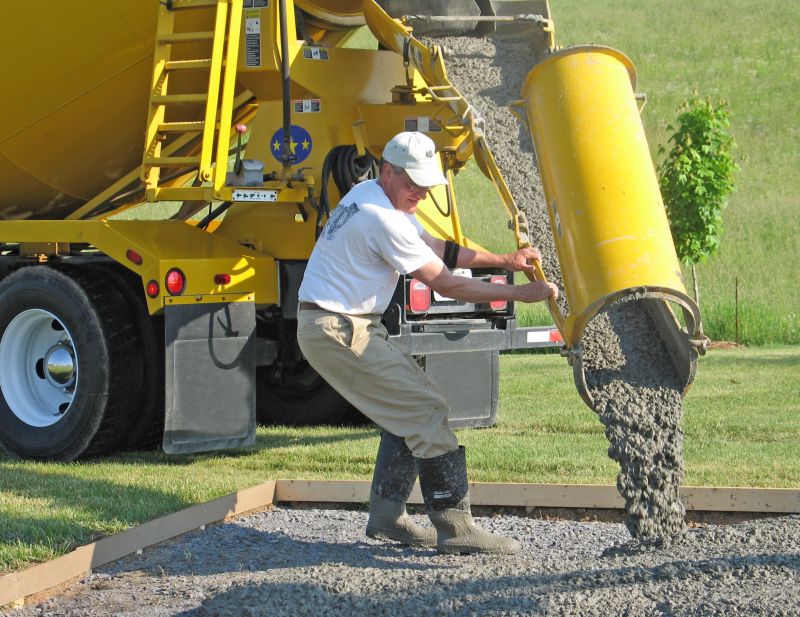
When evaluating concrete delivery services, it’s important to consider a contractor’s experience with similar projects and weather-related challenges. Local contractors who have a history of working on projects affected by weather conditions will better understand how to adapt their delivery and placement methods accordingly. Asking about their past work in comparable environments can provide insight into their familiarity with the unique demands of weather-sensitive concrete work, helping to ensure that the project proceeds smoothly despite potential weather disruptions.
Clear written expectations are essential when comparing service providers, especially concerning how weather conditions might impact the delivery process. A reputable contractor should be able to outline their approach to handling weather-related delays or adjustments, including contingency plans or scheduling considerations. This clarity helps set realistic expectations and provides confidence that the contractor understands the importance of timing and weather impacts on concrete placement, ultimately reducing surprises or misunderstandings during the project.
Reputable references and strong communication are key indicators of a dependable contractor. Speaking with previous clients who have experienced similar weather-related challenges can reveal how well a service provider manages weather impacts on concrete delivery and placement. Good communication throughout the process ensures that any weather-related issues are promptly addressed, and adjustments are clearly explained. Choosing local contractors known for transparent communication and positive references can help ensure the project’s success, regardless of weather conditions.
Property owners often search for how weather conditions affect concrete delivery and placement when they are planning practical projects around their homes and businesses. Local pros provide Concrete Delivery services for everyday jobs and straightforward project options.

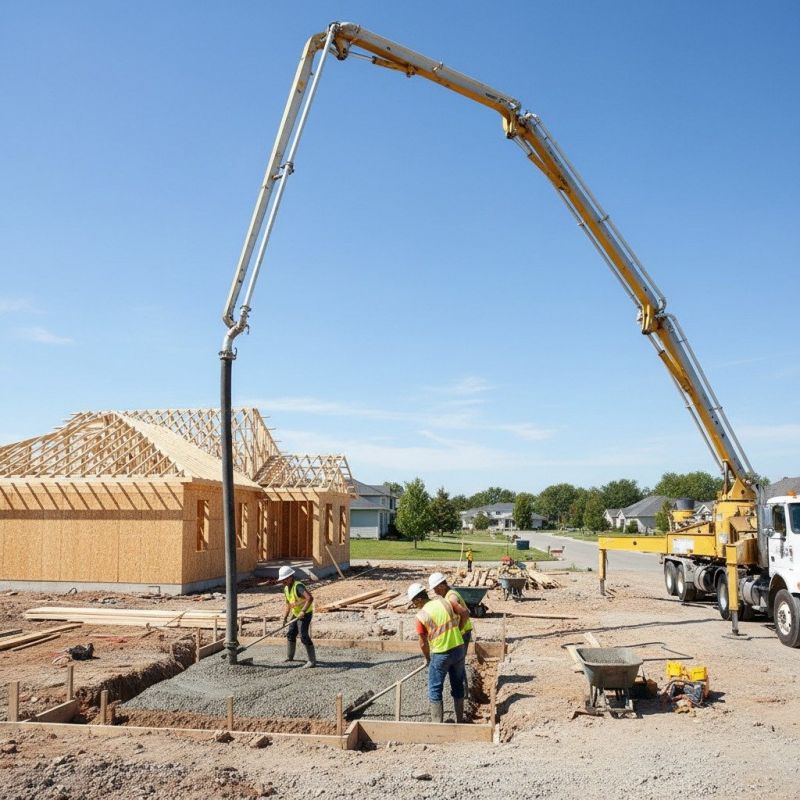
Weather conditions play a significant role in concrete delivery and placement, especially for property owners planning outdoor projects. Hot, dry days can cause concrete to set too quickly, making it difficult for contractors to work with and increasing the risk of cracks or surface imperfections. Conversely, rain or high humidity can delay delivery or compromise the quality of the poured concrete, leading to potential issues with curing and durability. Understanding these weather influences helps property owners coordinate with local contractors who are experienced in adjusting their techniques to ensure a successful project despite changing conditions.
For those considering concrete work in the area, it’s helpful to know that local service providers are familiar with how weather impacts concrete delivery and placement. They can advise on optimal timing, protective measures, and techniques to mitigate weather-related challenges. By working with experienced local contractors, property owners can better prepare for weather fluctuations and ensure that their concrete projects are completed smoothly and to standard, regardless of the day-to-day weather outlook.
How do rain and moisture impact concrete delivery and placement? Rain and moisture can delay concrete delivery and affect its setting process, making it more challenging for local contractors to pour and finish concrete effectively.
Can extreme temperatures influence how concrete is delivered and installed? Yes, high or low temperatures can cause rapid or slow curing, which may require adjustments by local service providers to ensure proper placement and strength.
What weather conditions should be avoided during concrete placement? Conditions such as rain, snow, freezing temperatures, or high winds can hinder proper placement and finishing, prompting local pros to modify their approach or reschedule.
How do weather fluctuations affect the timing of concrete delivery? Unpredictable weather changes can lead to delays or necessitate protective measures, with local contractors coordinating delivery to minimize issues caused by weather conditions.
Are there specific weather considerations for concrete placement in outdoor projects? Yes, outdoor projects are more susceptible to weather impacts like temperature swings and precipitation, and local service providers often plan accordingly to ensure quality results.
Monitoring weather forecasts - Property owners can plan concrete delivery and placement during favorable weather conditions by consulting local contractors who stay updated on upcoming weather changes.
Scheduling flexible delivery windows - Working with local pros to arrange flexible delivery times helps avoid delays caused by unexpected weather shifts like rain or high winds.
Using weather-resistant materials - Local contractors can recommend and supply concrete mixes designed to withstand specific weather conditions, ensuring durability and proper curing.
Preparing the site for weather challenges - Property owners can work with service providers to implement protective measures, such as coverings or windbreaks, to safeguard freshly placed concrete from adverse weather.
If you are thinking about how weather conditions affect concrete delivery and placement for a property, this guide is meant to help you understand this topic, the typical project types, and how different options might fit your plans.
When you are ready, you can use the quote form on this page to share a few details about your project. From there, local pros can review the basics and follow up with options that match what you have in mind.